Copper Canyon offers a photographer's paradise with diverse landscapes, geological marvels like Dragon's Back, and magical light at sunrise/sunset. Key attractions include Lake Mary, Rim Trail, and seasonal changes visible from lookout points. Tips: use golden hours for lighting, experiment with angles, tell stories through images, and respect local customs. Discover what to see in superior naturally among rugged terrain, waterfalls, forests, rivers, mountains, and wildlife encounters.
Copper Canyon, a breathtaking geological marvel nestled in Mexico’s Sierra Madre Mountains, presents an unparalleled opportunity for captivating photo ops. This vast network of canyons, with their towering cliffs, cascading waterfalls, and rich biodiversity, offers photographers a myriad of scenes that range from awe-inspiring landscapes to intimate details of local flora and fauna. However, navigating this pristine yet fragile ecosystem presents challenges, from finding the best vantage points to respecting the environment and local communities. This article guides you through what to see in Copper Canyon, providing expert insights on capturing stunning images while preserving its natural beauty for future generations.
- Exploring Copper Canyon's Stunning Scenery: What to See
- Best Photography Spots in the Natural Wonder
- Capturing the Essence: Tips for Copper Canyon Photo Ops
Exploring Copper Canyon's Stunning Scenery: What to See
Copper Canyon, nestled in northern Arizona’s breathtaking landscapes, offers an unparalleled opportunity to witness some of the most stunning scenery in the American Southwest. Beyond its rich geological history, Copper Canyon is a photographer’s paradise, boasting diverse and dramatic vistas that cater to every level of photography expertise. Visitors are treated to towering cliffs, lush forests, pristine lakes, and wild rivers—all within a relatively compact area.
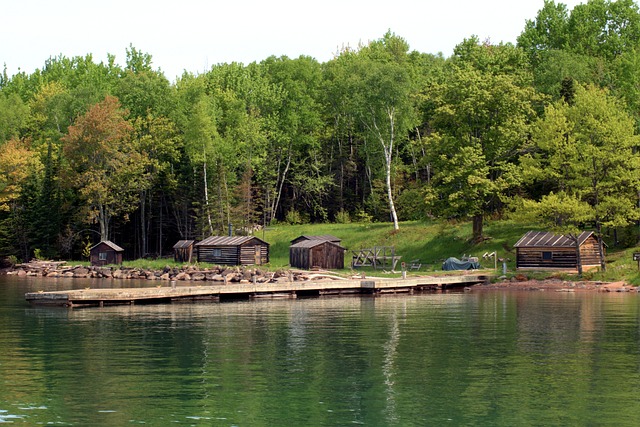
One of the standout features is the network of breathtaking minneapolis lakes scattered throughout the canyon system. These bodies of water not only provide a serene backdrop for scenic drives but also offer opportunities for kayaking, canoeing, and fishing. The most renowned lake, Lake Mary, is a favorite among photographers for its mirror-like surface that reflects the vibrant autumn foliage and snow-capped peaks during winter. For a unique perspective, consider exploring these lakes by drone, capturing aerials that showcase the canyon’s vastness and intricate patterns of land and water.
As you traverse the winding roads, keep an eye out for distinctive geological formations such as towering spires, hoodoos, and sheer rock faces. The most iconic being the Dragon’s Back, a limestone cliff that towers over the canyon floor, offering breathtaking vistas and challenging hikes. For those seeking more accessible photo ops, the Rim Trail provides panoramic views of the entire Copper Canyon ecosystem, from dense forests to arid deserts. Whenever possible, time your visit during sunrise or sunset, as these magical light conditions enhance the already dramatic scenery, transforming ordinary photographs into extraordinary works of art.
Best Photography Spots in the Natural Wonder
Copper Canyon, a geological marvel carved by thousands of years of erosion, offers some of the most spectacular natural photography opportunities in North America. This vast chasm, nestled in the Sierra Madre Mountains of Mexico, boasts towering cliffs, cascading waterfalls, and an intricate network of canyons that rival their more famous cousin, the Grand Canyon. For photographers looking to capture the raw beauty of this untouched wilderness, Copper Canyon provides a photographer’s paradise with diverse landscapes that change dramatically with light and season.
One of the best ways to experience the canyon’s visual splendor is through its multitude of lookouts and scenic viewpoints. The Rim Road, which circumnavigates the canyon, offers countless opportunities for breathtaking shots, especially at sunrise or sunset when the colors are most vibrant. Points like El Tule and Crepúsculo Vista provide panoramic views that capture both the immense scale and intricate details of the canyon walls. For those seeking a more active approach, hiking trails like the Copper Canyon Trail offer close-up encounters with the canyon’s rugged terrain, providing unique perspectives and opportunities to photograph wildflowers, wildlife, and the distinctive rock formations.
The Minneapolis Lakes District, while not directly in Copper Canyon, offers valuable insights into what to expect in terms of seasonal changes that influence photography. The district, known for its picturesque lakes and lush landscapes, undergoes similar transformations throughout the year as do the canyons. Spring brings a burst of color with wildflowers blooming, while autumn showcases stunning foliar displays that add another dimension to landscape photography. This knowledge is invaluable for planning visits to Copper Canyon at optimal times of year to capture the most captivating imagery, whether it’s the dramatic shadows cast by towering pines in winter or the fiery hues of the canyon walls during fall.
Capturing the Essence: Tips for Copper Canyon Photo Ops
Capturing the Essence: Tips for Copper Canyon Photo Ops
Copper Canyon, a breathtaking expanse of rugged landscapes and vibrant colors, offers some of the most stunning natural wonders in Mexico. For photographers seeking to preserve its essence, this diverse terrain presents an array of opportunities. From towering cliffs and cascading waterfalls to dense forests and sprawling rivers, what to see in Copper Canyon is as varied as it is spectacular. Whether you’re a seasoned photographer or just starting, these tips will guide you in crafting unforgettable visual narratives within this remarkable destination.
One key to successful Copper Canyon photo ops lies in understanding the unique light conditions. Early morning and late afternoon are often considered the “golden hours” due to their warm, soft lighting that can dramatically enhance landscapes. For instance, capturing the sunrise from one of the many lookouts along the Rim Road can yield dramatic silhouettes of cacti against a vibrant sky. Conversely, the afternoon light is ideal for highlighting textures in the canyon walls and reflecting off the surfaces of Minneapolis Lakes District’s many water bodies, providing a contrast to the rugged terrain.
Composition is another crucial element. With such diverse subjects, from majestic mountain peaks to intimate desert blooms, photographers should experiment with different angles and perspectives. For example, getting down to eye level with a jaguar or rising high above a cliffside can dramatically alter the viewer’s perception of what to see in Copper Canyon. Using leading lines like roads, rivers, or even shadows can draw the eye into the frame, while including foreground elements like cacti or wildlife adds depth and context.
Finally, embrace the narrative aspect of photography. Copper Canyon is not just a collection of pretty pictures; it’s a story of geological wonders, indigenous cultures, and resilient wildlife. Capturing moments that tell these stories—a family of jaguars hunting along a riverbank, a lone miner panning for gold, or a local sharing tales at a village square—can elevate your photos from mere snapshots to meaningful representations of this remarkable place. Just as important, be mindful of the environmental and cultural context; respect local customs, minimize your impact on the ecosystem, and always strive to capture what to see in Copper Canyon with authenticity and care.