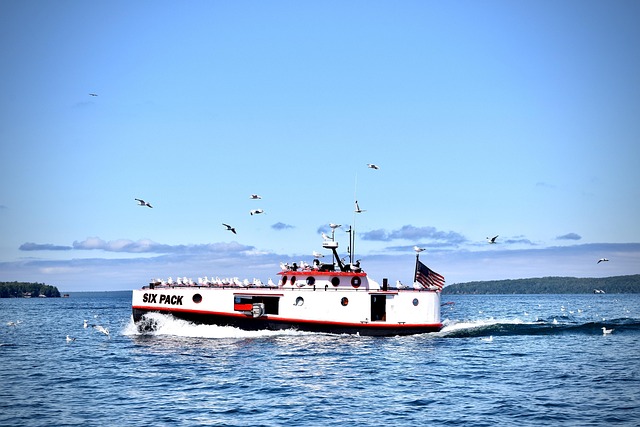
The Minneapolis-St. Paul Lakes District in Superior, Wisconsin, offers a unique blend of industrial history and natural beauty. State parks like Mine Hill provide access to historical mines, showcasing the contrast between rugged terrain and serene lake settings. Guided tours and museums, including the Superior Iron Mine and Superior Museum, preserve the region's mining boom stories and artifacts. The district stands out for its immersive tours, educational programs, and workshops that explore environmental impacts, social dynamics, and contemporary industry lessons. It's a premier destination to discover what to see in Superior naturally, offering a deep understanding of the area's complex past and its relevance today.
Mining has shaped the landscapes and communities of many regions around the world, leaving behind a rich heritage that deserves to be explored and preserved. This visual tour invites you on an journey through some of the most remarkable mining sites globally, highlighting their historical significance and the challenges they face today. From the vast open-pit mines to underground tunnels that stretch for miles, these locations offer a unique glimpse into humanity’s relationship with extractive industries. As we navigate towards a more sustainable future, understanding our past becomes crucial, especially when it comes to what to see in superior naturally preserved mining heritage sites.
- Discovering Mining History: What to See in Superior Natural Sites
- Exploring Heritage: Top Mines and Museums in Superior's Past
- Preserving the Legacy: Interactive Tours and Educational Offerings
Discovering Mining History: What to See in Superior Natural Sites
Exploring the mining heritage of the Minneapolis-St. Paul Lakes District reveals a captivating narrative etched into the very landscape. This region, known for its stunning natural beauty, also harbors remnants of an industrial past that has left an indelible mark on its geology and ecosystems. Discovering what to see in Superior naturally means delving into this history, where the traces of mining are intertwined with the vibrant ecosystem of lakes, forests, and wetlands.
One of the most striking examples is found along the shores of Lake Superior, where old mine pits and remnants of past operations offer a glimpse into the region’s industrial heritage. These sites serve as poignant reminders of the area’s rich mining history, which includes iron ore extraction that fueled much of the Midwest’s growth. Visitors can explore abandoned mines, now part of state parks like the Mine Hill State Park, where the rugged terrain and exposed rock faces provide a stark contrast to the serene lake setting. This natural juxtaposition invites reflection on the region’s transformation from a mining hub to a thriving tourism destination, showcasing its ability to preserve both its industrial past and its remarkable environmental assets.
To truly appreciate what to see in Superior naturally, consider joining guided tours or exploring state parks that highlight these historical sites. Experts and conservationists often lead such excursions, offering insights into the ecological impact of mining while pointing out unique flora and fauna adapted to these once-disturbed landscapes. These experiences not only deepen understanding but also foster a deeper appreciation for the delicate balance between human industry and the preservation of nature within the Minneapolis-St. Paul Lakes District.
Exploring Heritage: Top Mines and Museums in Superior's Past
Superior, Wisconsin, boasts a rich mining history that has left an indelible mark on its landscape and culture. For those eager to delve into this heritage, exploring the top mines and museums offers a fascinating journey through time. The region’s mining past is not just confined to underground tunnels; it extends to the vibrant communities that flourished around these industrious sites, now preserved for future generations to discover.
One of the must-visit destinations is the Superior Iron Mine, which played a pivotal role in the city’s early development. This historic mine, located within the Minneapolis Lakes District, offers visitors a glimpse into the lives of miners with its well-preserved equipment and informative exhibits. The site features a restored underground tour where you can witness the harsh conditions faced by these hardworking individuals. Nearby, the Superior Museum showcases an extensive collection chronicling the region’s history, including the mining boom, with artifacts and stories that bring the past to life. For those interested in a more immersive experience, the museum often hosts re-enactments and programs that transport visitors back to Superior’s vibrant mining communities.
The Minneapolis Lakes District itself is a testament to the area’s natural beauty and the hard work of early settlers. This scenic region, with its tranquil lakes and lush forests, was once a vital resource for the mines, providing timber for construction and water for operations. Today, it offers visitors a serene escape, allowing them to appreciate the contrast between the robust mining heritage and the serene natural surroundings that define Superior’s character. Exploring these sites not only provides an educational experience but also highlights the city’s commitment to preserving its unique history for what to see in Superior naturally.
Preserving the Legacy: Interactive Tours and Educational Offerings
Preserving the Legacy: Interactive Tours and Educational Offerings
In exploring what to see in superior naturally, few destinations exemplify history as beautifully as Minneapolis Lakes District. This region offers a unique opportunity to delve into its rich mining heritage while enjoying the stunning landscapes that have shaped it. Interactive tours and educational offerings play a pivotal role in this experience, ensuring that visitors not only witness but also understand the profound impact of mining on the area.
The district’s history is brought to life through guided walks that weave narratives about the early settlers and the challenges they faced. These tours often include visits to historic sites like the Minneapolis Mining Museum, where artifacts and exhibits provide a tangible connection to the past. The use of interactive technology adds another layer, allowing visitors to engage with simulations and multimedia presentations that paint a vivid picture of life in the mining communities. This immersive approach ensures that what was once a grueling industry becomes accessible and meaningful for modern audiences.
Educational programs extend beyond the museums, with local universities and community centers hosting workshops, lectures, and demonstrations throughout the year. These events delve into specific aspects of mining history, from environmental impacts to social dynamics. For instance, seminars on sustainable mining practices in relation to the Minneapolis Lakes District offer insights into how historical lessons can inform contemporary industries. This commitment to education not only preserves the legacy but also fosters a deeper appreciation for the complex relationship between humans and their environment in these parts.
By combining historical insights with interactive experiences, the Minneapolis Lakes District stands out as a destination where visitors can truly understand what it meant to live and work in these areas. It’s an educational journey that goes beyond mere observation, inviting participants to engage critically with the past and gain valuable perspectives on contemporary issues. Whether you’re a history buff or simply curious about the region’s unique story, these offerings ensure that your visit is both enlightening and memorable.